
Disruption, Reinvention, and the Future of Social Impact Funding: The Rise of a New Era
For much of the past decade, organizations in the social impact sector worked within funding systems that, although imperfect, were relatively predictable. Government aid, philanthropic capital, and institutional grants gave organizations a solid foundation of financial stability.
“What first looked like a singular US-based event now appears to be part of a global shift.”
That predictability was disrupted last year when major changes at USAID triggered funding freezes, followed by the complete dismantling of USAID as an institution. What first looked like a singular US-based event now appears to be part of a global shift. And although periods of disruption create uncertainty and often painful change, they also open the door to real, industry-wide transformation.
Reading the Signals
In March 2026, one year after the dismantling of USAID, the UK’s Foreign, Commonwealth and Development Office quietly released their program’s allocation report with a whopping 56% cut to African compared to 2024-25 levels. Germany, Canada, France, and the Netherlands have all recently reduced their aid contributions providing a clear signal that the international development infrastructure of the past is undeniably shifting. Government funding is becoming more tightly aligned with national priorities, economic strategy, and domestic political pressures, reshaping both the purpose and flow of spending.
As an innovation strategy firm, we view moments like these as directional and opportunities for transformational improvement. To put it simply, when multiple parts of a system begin changing at once, deeper, stronger forces are usually at work.
What started as a disruption is now generating new structures, partnerships, and approaches to capital. These developments matter because they challenge the long-held assumption that public funding systems move slowly and remain fundamentally stable. What we are seeing instead is faster political influence, sharper strategic alignment, and greater willingness to redesign longstanding institutions at the core of social impact.
What Is Emerging
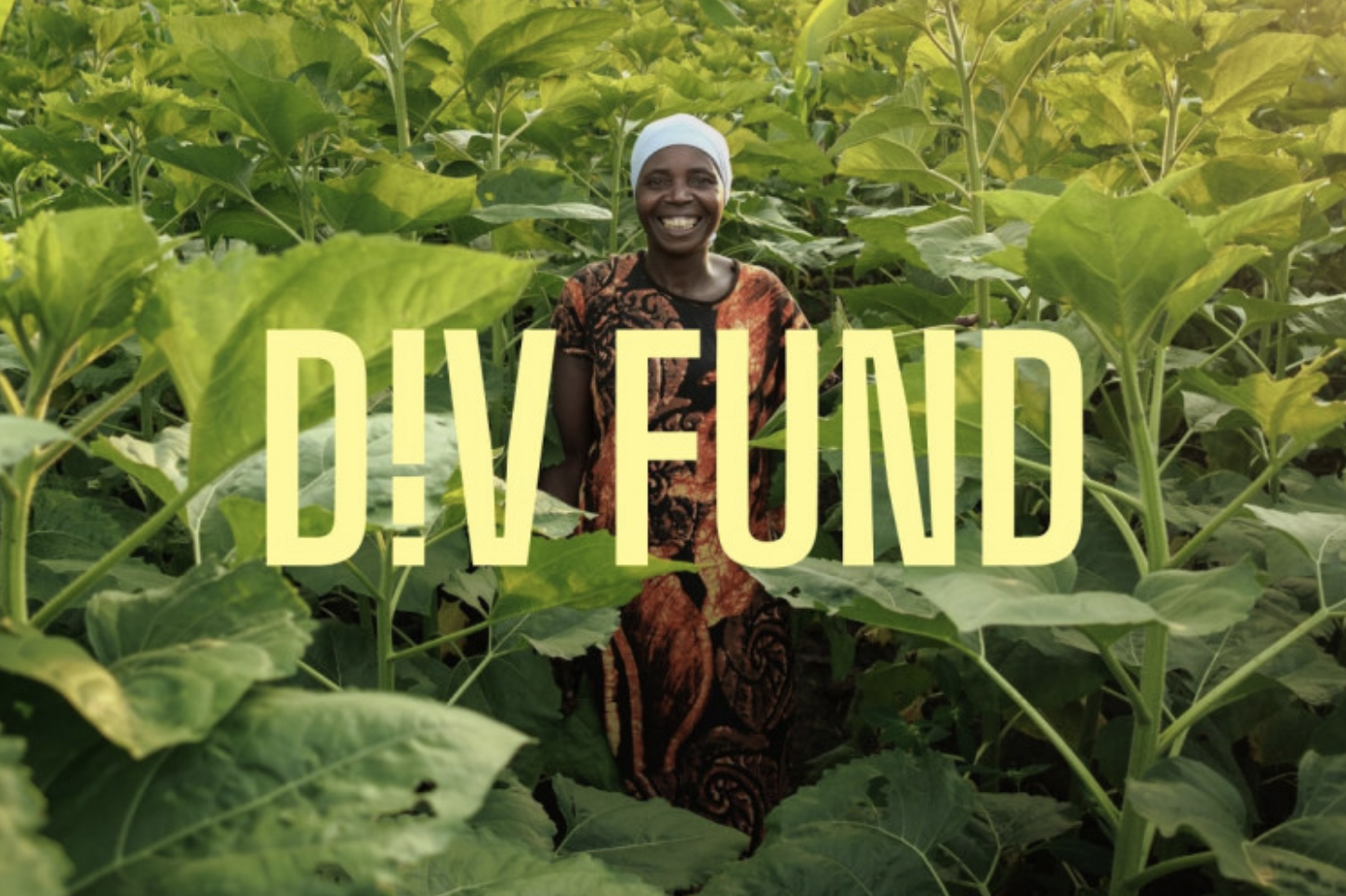
Credit: DIV Fund
Periods of disruption tend to accelerate new structures. One clear example is Development Innovation Ventures (DIV), long housed within USAID, which has relaunched as an independent nonprofit backed by $48 million in philanthropic funds. This move represents more than an organizational change. It signals a blurring of boundaries between public and philanthropic capital, along with a push toward more flexible, experimental funding models.

Credit: Sorenson Impact Institute
New collaborative funding mechanisms are emerging that pool resources, distribute risk, and enable faster responses to complex challenges. For example, the Sorenson Impact Institute, with support from the MacArthur Foundation and the Ford Foundation, recently launched the Collaboration Fund. The initiative helps nonprofit organizations in impact investing and inclusive capitalism pursue mergers, acquisitions, and durable strategic partnerships. These collaborative funding mechanisms are signals of a broader shift: the funding architecture that has defined the sector for decades is being actively reconfigured.
This reconfiguration is also visible in how major global institutions are beginning to operationalise “new models” of development finance. For example, the Rockefeller Foundation has described a growing emphasis on catalytic, cross-sector partnerships with philanthropic organizations, multilateral institutions, and private capital. This includes large-scale co-financing structures such as the Global Energy Alliance for People and Planet, and initiatives like Mission 300, which aim to expand electricity access across Africa through coordinated investment between development banks, governments, and philanthropic actors.
Taken together, these developments point to a funding environment that is becoming more hybrid, more collaborative, and more strategically structured around blended capital models. Public, philanthropic, and private financing are increasingly being coordinated through shared platforms rather than operating in parallel systems.
Positioning for the Next Funding Era
There is a natural instinct to view funding disruption as a threat, but disruption is often the start of innovation. In turbulent moments like these, the default question is often: How do we preserve our existing funding model? However, the more innovative question is: What is the funding ecosystem becoming?
When we step back, several patterns begin to emerge. Funding is becoming more hybrid, with public, private, and philanthropic capital blending in new ways. It is becoming more collaborative, as pooled funds and collective vehicles enable shared risk and stronger coordination. Funding is also becoming more strategic, with more capital directed through the lens of national priorities, economic resilience, and demonstrated outcomes.
Together, these shifts point to a funding environment that is more interconnected, more selective, and more adaptive than the systems many organizations have known in the past. Organizations that recognize this shift early have an advantage, identifying where their mission naturally aligns, where diversification is needed, and where new models are worth testing.
This may include building cross-sector partnerships, strengthening evidence of impact, exploring earned revenue where appropriate, or designing programs that meet emerging priorities without compromising mission. Those that fail to do so risk anchoring themselves to systems that are no longer viable.
At Rising Solutions, we believe the real advantage is preparedness, adaptability, and a growth mindset. No organization can predict every change in policy, funding, or politics. But organizations can strengthen their ability to navigate ambiguity, respond early, and move decisively when the landscape changes.
Reach out to Rising Solutions at general@risingsolutions.co to inquire about our transformational business services.